
Blog / Tips for Buying a Used Car

Blog

All Tips for Buying a Used Car Family Activities Near Fort Smith Fort Smith Local Attractions Best Used Cars (by Auto Brand) Best Restaurants in Fort Smith Fort Smith Parks & Recreation Car Safety Tips Car Care Tips & Tricks Explore History of Fort smith Best Family Vehicles New Driver Tips & Tricks Fort Smith Auto Service & Repair Family-Friendly Restaurants Asian Restaurants Brunch Spots Rath Auto Resources SUV Italian Restaurants Used Vehicles for Sale Fort Smith, AR 2021 Ford Escape 2022 Chevrolet Blazer 2024 Chevrolet Malibu 2024 Honda Pilot 2024 Jeep Compass Burger Restaurants Chevrolet Equinox: Coffee Shops Mexican Restaurants Used Ford Vehicles
SUV vs Minivan | Fort Smith Used Cars

SUV or Minivan: Which One Suits Your Fort Smith Family?

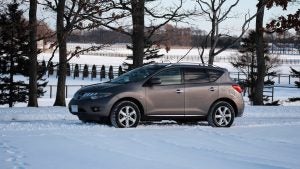
When looking for a new car best suited for a family, the two classes that enter the discussion most are SUVs and minivans. While there are many similarities between the two, choosing what's right for you and your family can be a tough choice. After all, you'll be driving this vehicle for the next five to 10 years or more. Here's how to decide whether SUVs or minivans are better for your family. Overall Value If economics end up playing a big role in your decision, minivans are a step ahead. Not only do minivans tend to have lower MSRPs for similar feature sets and trim levels, but they don't vary wildly in upkeep costs compared to SUVs. Minicans get roughly the same gas mileage on average when compared to SUVs, and they have similarly sized tires. more Entertainment Most new models today come with plenty of music connectivity, be it Apple CarPlay, Android Auto, SiriusXM, or all three. However, what do you do for entertainment when not everyone can agree on what to listen to on the radio? A car full of five or six people means there are bound to be some differences of opinion on what to listen to. This is where the minivan earns extra props. Many minivans have optional or standard DVD entertainment systems in the second-row seating, which opens up more entertainment possibilities on long drives. Performance Capabilities When it comes to performance and capability, the SUV usually comes out on top. SUVs are more regularly equipped with all-wheel drive, a feature that's great to have in wintery or slick road conditions. If your family enjoys outdoor adventures, such as camping in the wilderness, you'll definitely want the extra power found in SUVs. Capacity While most SUVs have ample cargo capacity, minivans tend to offer a bit more. Third-row seating is usually a standard inclusion on minivans, while usually only full-size SUVs and a small selection of compact SUVs have third-row seating. This extra row of seating translates to better cargo capacity overall thanks to folding rear seats. For two-row SUVs, having extra cargo room means sacrificing room for all but two passengers. Towing If you find yourself needing to do towing of any kind, you'll want to consider a mid-size or full-size SUV over a minivan. While compared to trucks, both SUVs and minivans are lacking in the towing department; however, SUVs have a clear edge over minivans. Full-size SUVs are generally capable of pulling small campers and trailers, and minivans typically only tow under 2,000 pounds. This is enough for a small moving trailer, but very limited otherwise. If you're still having trouble deciding whether an SUV or minivan is the right fit for your family, make a list of the features most important to your family. Whichever category earns more points should be where you look first. However, don't forget to test drive at least a few minivans and SUVs, since how the car feels to drive can be the most important factor of all. Check out our Monthly Specials for even more savings on all Rath Road Ready used cars in Fort Smith, AR. Photo by MIKI Yoshihito | Licensed under cc by 2.0

FTC's Used Car Rule - Rath Auto Resources

Everything You Need to Know About the FTC's Used Car Rule

The Federal Trade Commission (FTC) has recently amended its Used Car Rule. This adjustment will mean a lot for buyers in the used car market. Take a look at what this rule is, how it has changed, what this means for buyers, and how the FTC is keeping dealerships in check. The Used Car Rule The Used Car Rule is an FTC regulation that has been in place since 1985. Previously called the Used Motor Vehicle Trade Regulation Rule, this standard required that car dealers display a window sticker with pertinent information about every used car for sale. This information is also called a “Buyer's Guide” and used to include details such as: more Whether a warranty is available or included with the vehicle as well as its terms and conditions and the type of coverage provided What portion of covered repairs the dealer will pay What systems the warranty covers This ruling was enforced in all states — even those that don't permit selling a used car without a warranty. In such a case, a special type of Buyer's Guide had to be displayed in the window. How the Rule Has Changed The FTC has changed the ruling following a self-audited that investigated the efficiency of this system. The new version of the regulation, which has been in effect since January 2018, still requires that used cars for sale display a Buyer's Guide in the window. However, this guide must now include more detailed warranty information, such as: How the dealership will repair parts that fail and are covered by the warranty How recall notices will be issued A note prompting the buyer to ask the dealer if a third-party mechanic can inspect the vehicle before making a purchase These changes were made after the FTC scrutinized buyer's comments and feedback and personally inspected thousands of used vehicles on dozens of lots across the country. What the Rule Means for Buyers The rule means that buyers will have access to more and better information about the vehicles they're considering purchasing. Understanding warranty coverage is vital for consumers, and the FTC's changes will keep dealerships accountable in this regard. How the FTC Is Keeping Dealerships in Check The FTC keeps dealerships in check through audits such as the one it performed while conducting research on how it would revise the Used Car Rule. If a dealership isn't compliant with regard to the new regulations, the FTC will provide information about how it can meet the requirements. If the dealership still does not comply, the FTC can issue fines of up to $41,484 per violation. Moreover, if a consumer purchases a vehicle and there's an issue with misinformation or confusion about the warranty due to the lack of a proper Buyer's Guide, the case can go to court. The changes to the Used Car Rule help to protect buyers and make sure they have all the information they need to make a wise purchase. Remember to check for a Buyer's Guide on every vehicle you're considering, and don't hesitate to ask the car dealer if you have any questions. Photo by Michel Curi | Licensed under cc BY 2.0

Must have safety features | Rath Auto Resources

6 Must-Have Safety Features

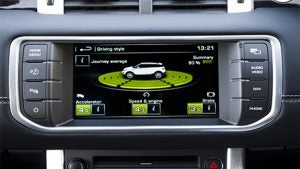
Buying used is a fantastic way to save money upfront while avoiding a vehicle's major depreciation periods. However, you have to be mindful of which year model you purchase. Many of the safety features that are easy to take for granted in newer vehicles aren't available in older cars. Depending on the make and model, even going a year back or picking the wrong trim could mean missing out on key active and passive systems. These are some of the must-have safety features you should look for when buying a used car. Air Bags Though you won't have to worry about your vehicle having airbags, you need to check how many airbags the car you're considering comes with. You also want to look for side curtain, side, knee, and passenger airbags, especially if you're shopping for a family commuter. Another important feature to keep younger kids safe is LATCH systems in the passenger seats. This is required in all vehicles made after 2002, but you should check that the anchors and tethers are functional before making a purchase. more Rear-View Camera A rear-view camera may seem like a luxury, but it should be high on your list of safety features. You should especially prioritize this system if you'll frequently be backing out of a driveway at home, have kids, or regularly perform tight parking maneuvers on your commute to work. Adaptive Cruise Control If you love road trips or have a long commute that has you routinely engaging the cruise control, shop for a vehicle that has adaptive cruise control. With a standard system, you have to press the brakes or deactivate cruise control when traffic slows and then reset it once it's safe again to maintain your desired speed. Adaptive cruise control automates this process, adjusting your speed to keep a safe distance without your having to reset the system. Tire Pressure Monitoring Tire pressure is an overlooked part of vehicle safety. Underinflated and overinflated tires both increase the risk of a blowout. Find a car with tire pressure monitoring to help prevent either problem from happening. Collision Mitigation Collision mitigation includes several active preventative systems that stand out as the more exciting safety aspects of a car. This includes things like lane keep assist, automatic emergency braking, and blind spot monitoring. However, these aren't brand-new inventions. Many 2016-2017 models will feature these systems. If your current car has some of these active safety systems, look for a replacement that also offers them. This will make it easier to get acquainted with the car's features and reduces the likelihood you'll forget that you no longer have blind spot monitoring before changing lanes. Bluetooth Though Bluetooth isn't technically a safety feature, it's an addition that can make you a much better driver. Paired with voice commands or steering-wheel-mounted controls, you can make calls and change your music without taking your eyes off the road. If you plan on using your phone for navigation, this feature will make following step-by-step instructions much easier. Saving money is no excuse to compromise on vital safety features. Make sure your next used vehicle has these six important additions. Photo by landrovermena | Licensed under cc BY 2.0

Boost your credit score in Fort Smith, AR | Rath Auto Resources

Boost Your Credit Score Before Financing Your Car

If you're looking for a new car, the odds are good that you've considered applying for financing rather than buying it outright. There are loads of great reasons to get your car on finance, beginning with the difficulty of finding several thousand dollars at once, and ending with the nice boost your credit score receives for successfully buying a car through a finance plan. But before you finance your car it's a good idea to give your credit a boost so you get the best possible deal. Here are our top tips for boosting your credit ahead of getting car financing. Check Your Credit Score First things first, it's important to know what your credit score is before applying for a car loan. With sites like Equifax, TransUnion, and Experian offering you a free 12 month credit report, this couldn't be easier, and there's no need to pay for it. more Pay On Time By Setting Up Reminders Once you have a clear idea of your credit situation, make sure you are making any repayments on time every month. Late payments have a negative effect on your FICO Scores, even if they're only a few days late. Setting up regular payments for everything is one of the easiest and most effective ways to make a positive impact on your score. Most creditors will allow you to make automatic payments on a set date, while a lot of banks offer payment reminders through their digital banking portals. You can also set up your own reminders using a simple calendar app, which alerts you a couple of days before each payment is due. Reduce Your Debt If you are setting up automatic payments through your creditor, bear in mind it will only take the minimum amount required. It's a good idea to pay more, as this reduces the amount of interest you pay, and clears your debt faster. Try to reduce your debt as much as possible before applying for new credit. This is easier said than done, but it will have a huge positive impact on your overall score. Your credit report provides you with a full list of everyone you owe, allowing you to come up with a payment plan to clear things as quickly and efficiently as possible. It's worth checking which accounts you are paying higher interest rates on and paying off those debts first. The most effective way to reduce your debt is to pay it off; moving it around may help if you can get a 0% interest transfer deal, but it's not always the best option. Don't Ignore The Issue If you're struggling to meet repayments or cover your debts, don't ignore the issue. Get in touch with your creditors and arrange a repayment plan, or contact a registered debt management counselor. In the short term this won't help rebuild your credit score, but in the long-run, it's the only way to get your debts under control. Ignoring them will only cause any negative aspects of your score to grow worse. Following these simple tips and spending a couple of months giving your score a boost before applying for car financing will increase your chances of acceptance and get the best deal on your new vehicle. Photo by 401(K) 2013 | Licensed under cc BY-SA 2.0

Reasons to Drive a Crossover | Rath Auto Resources

Four Reasons to Drive a Crossover

The crossover class of cars has experienced exponential growth since its emersion in the industry over a decade ago. It's the fastest-growing segment of cars, and it seems like just about every manufacturer has added a crossover to its lineup. Today, there are well over 60 different crossover models to choose from. In case you're wondering, a crossover is somewhere in between a car and a minivan. We think crossovers are a great option. These are four reasons to drive this type of vehicle. Fuel Economy Crossovers offer many of the features of an SUV but with generally better fuel economy. Let's face it, they're smaller and lighter, which means that they're also more fuel efficient. Sure, they may not be able to haul your 23-foot RV or boat, but short of needing that capability, there are few reasons to choose an SUV over a crossover. Crossovers are like the tablet of the auto industry — they have the main features but in a more compact size. In cars, being smaller usually means more miles per gallons. more Less Expensive Than an SUV Crossovers cost less to manufacture because they have a unibody versus the body-on-frame composition of an SUV. Also, most crossovers are typically made utilizing the drivetrain from another midsize car already being manufactured in that brand. Since manufacturers don't have to start all over, that brings the price way down, especially compared to that of an SUV. Crossovers were designed to fill a gap between auto segments, so rather than generate an entirely new market, manufacturers chose to make the buying process easy. They have kept base prices relatively low and have offered a plethora of customization options. This way, the customer pays only for the features they need or want. More Options Than a Typical Car Crossovers are not only impeding on the SUV market. Many minivan drivers have embraced the crossover as well. Crossovers offer many minivan-like features but without the “soccer mom” label. They have a higher towing capacity than a car and more seating capacity. Typically, they offer a ton of family-friendly features, such as large infotainment touchscreens, fold-down seats, and advanced safety features. Third Row Seat Many crossovers can seat as many people as a minivan and an SUV. In fact, if it weren't for towing capacity, the SUVs and minivan class may have vanished altogether by now. Some manufacturers have discontinued their minivan lines, instead choosing to focus on the crossover segment. Crossovers are usually cheaper, more stylish, and can hold the same amount of passengers as a minivan. If you're in the market for a new car, we encourage you to consider a crossover. Come to the dealership and check out your options. Take one or two models for a test drive. Soon you'll know for yourself why they have become one of the best selling class of cars at such an early point in their overall development. Crossovers are roomy, fuel efficient, fashionable, and fun to drive. Photo by RL GNZLZ | Licensed under cc by- sa 2.0

Why buy a used car | Rath Auto Resources

4 Benefits of Buying a Used Car

Your car may be one of the most expensive purchases of your lifetime. For most people, it rates right up there with buying a new home or paying for a wedding. A brand new car is great. It smells clean and new and looks absolutely perfect. However, many people prefer to buy a gently used car. There are a lot of good reasons to buy a used car, most of which involve saving money. From a lower sticker price to cheaper insurance and less depreciation, sometimes buying a used car instead of a new one just makes good sense. Rath Auto Resources understands that every customer's situation is unique. If you're trying to decide between buying a new car or a used one, we can help. These are four benefits of buying a used car. more It Cost Less A used car will always initially cost less. Although it always feels good to buy a new car, and we think everyone should do it at least once in their lifetime, it's not uncommon for a new car to lose thousands of dollars in value when you drive it off the lot for the first time. It's exactly why you can buy a 2006 Porsche for the price of a 2012 Toyota. Someone probably bought that new Porsche for over $60,000 and now it can be yours for about half of that price. Fewer Sales Tax Before you buy a new car you should investigate the cost of sales tax for your state and county. Some dealerships try to gloss over the issue and then later you're shocked at the cost. We don't do that. We believe in disclosing all of your costs up front. Some states charge sales tax on new cars, but not used ones. Sometimes the cost of sales tax can be thousands of dollars, so research it ahead of time and plan accordingly. Pay Less for Insurance The main factor in the cost of car insurance is the market value of the vehicle. Because a used car is worth less than that of a new one, the cost of insurance is generally less. Also, sometimes you can save even more money by dropping some of the coverage, such as collision, or theft, once a car's value declines to a certain point. It Depreciates Slower Many new cars decline in value another 10 percent during the first year. That's on top of initial “drive-it-of-the lot” depreciation. That can quickly add up. You can avoid such rapid depreciation by buying a slightly used car instead of a brand new one. Sometimes it's hard to find a one-year-old car, but two- and three-year-old used vehicles are not too hard to come by. We know that purchasing a car is a big investment. You have a lot of choices, and we're here to help you any way we can. Fortunately, we have a lot of great financing options, along with an extensive inventory of both new and used cars. We invite you to the dealership to find out for yourself. Photo by Georg Sander | Licensed under cc by 2.0

Contact Us

Fill out this form below and we'll contact you shortly
*Required Fields