
Blog / Car Care Tips & Tricks

Blog

All Car Care Tips & Tricks Family Activities Near Fort Smith Fort Smith Local Attractions Best Used Cars (by Auto Brand) Tips for Buying a Used Car Best Restaurants in Fort Smith Fort Smith Parks & Recreation Car Safety Tips Explore History of Fort smith Best Family Vehicles New Driver Tips & Tricks Fort Smith Auto Service & Repair Family-Friendly Restaurants Asian Restaurants Brunch Spots Rath Auto Resources SUV Used Vehicles for Sale Fort Smith, AR Italian Restaurants 2021 Ford Escape 2022 Chevrolet Blazer 2024 Chevrolet Malibu 2024 Honda Pilot 2024 Jeep Compass Burger Restaurants Chevrolet Equinox: Coffee Shops Ford F-150 Mexican Restaurants Used Ford Vehicles

3 Keys to Preserving the Car Paint on Your Used Car

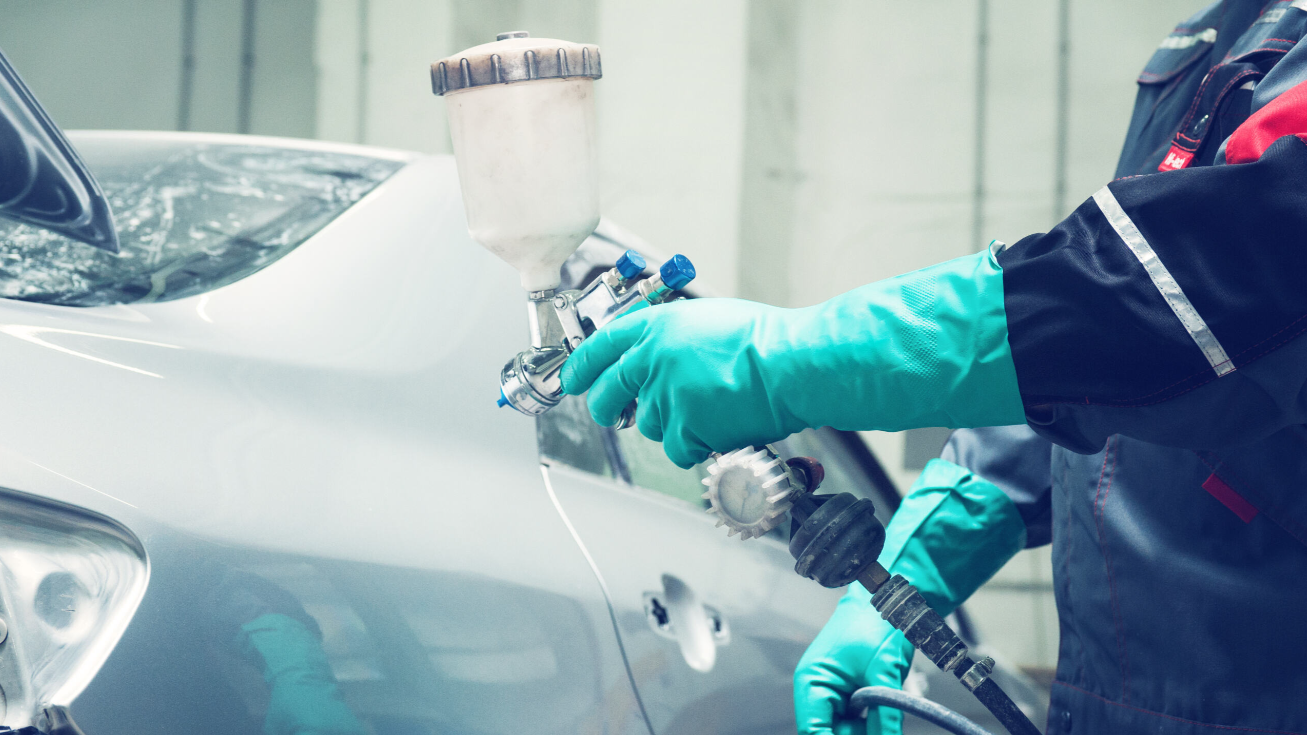
Your car paint is one of the most visible aspects of your car, and you want to keep it in good condition. Damaged paint can quickly lead to rust or corrosion if water seeps into the metal underneath. Worn or damaged paint also isn't aesthetically pleasing. We'd like to give you a few important tips on how to take care of the paint on used cars. 3 Ways To Protect Car Paint on Used Cars Regular Washing Dirt, mud, and other filth from the road can build up on your car and must be removed to protect your paint. Dirt can cause scratches, and surface paint damage can allow liquid from water, mud, or snow to penetrate the protective coating and damage the paint beneath. Washing your car will remove all these substances and prevent them from damaging your paint job. Use the hosepipe to hose down your vehicle and remove most contaminants. We then advise using high-quality car soap and water to wash your car and rinse it thoroughly. Don't use dish soap, as it can be abrasive on the paint. Dry your car with microfiber cloths or towels rather than allowing it to air dry in the sun, as this can leave streaks behind. Use Car Wax Your paint job consists of multiple layers, with a clear top coat that protects the paint beneath. Once your car has been washed, waxing helps to provide an additional layer of protection. Wax forms an invisible film over the paint and guards against harmful UV rays from the sun that can cause the paint to fade. Always choose a high-quality wax, as a good wax provides longer-lasting protection and won't damage your paint. Carefully apply the wax and gently rub it into the surface. Your car doesn't require waxing as often as washing, but for best results, wax your car at least twice a year. The best time to do this is in spring and fall, as summer and winter conditions cause the most damage to your paint. Park Carefully One of the best ways to protect your paint is to reduce its exposure to sunlight and other potentially damaging situations as much as possible. Parking in a garage or under a carport provides the best protection. If they're not available, a good car cover that allows air to circulate can help keep your paint safe. Parking under a tree provides partial shelter from the elements but also exposes your car to bird droppings or splatter from falling fruit. Bird droppings and fruit pulp are acidic and can eat into the paint if they aren't cleared away quickly. If you'd like more advice on protecting your paint, contact us today at Rath Auto Resources Fort Smith in Fort Smith, AR.
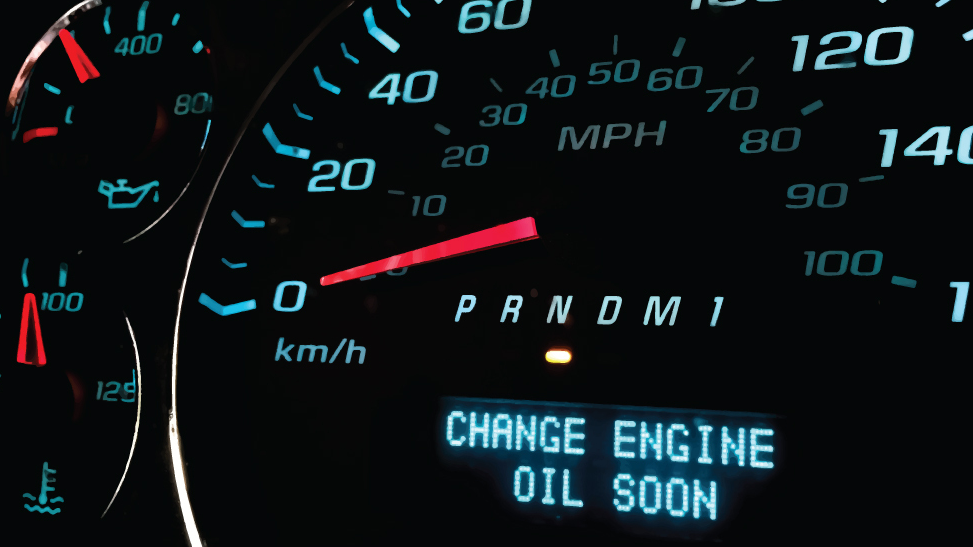
How Often Should Used Cars Get an Oil Change?

The question of how often used cars should get an oil change depends on a number of factors: type and age of the vehicle, what kind of motor it has, and driving style and usage all come into play. The good news is that not only is oil service a ​quick, affordable, and simple ​service, but it's also one of the best ways to keep the heart of your car running smoothly and performing its best for years to come. Mileage, Months, and Usage Your car should have a sticker from its previous oil service with two indicators: one for a mileage at which to change the oil, one for the date at which the next oil service should be scheduled. It's important to change the oil whichever comes first and not to wait for both. Oil degrades both with use and with time. Additionally, your vehicle's owner's manual will have guidance on oil type, change frequency, and more. The Importance of Clean, Fresh Oil and Filters Motor oil performs several crucial functions in your car's engine. First, it helps cool the engine, preventing overheating. More importantly, it lubricates the moving parts, ensuring smooth operation. It also helps remove any particulate buildup, including tiny metal shavings, contaminants, and more, which then is filtered out by the oil filter. When oil is left in a motor for too long, it can cause sludge buildup and damage, and if it runs out, the engine can seize, necessitating expensive repairs. Conventional, or Synthetic? Both conventional and synthetic oil have their advantages. Conventional oil is more affordable, though the longevity of synthetic oil tends to offset this. Synthetic oil may be a better choice if you drive hard or drive off-road, experience extreme heat or cold, spend a lot of time in traffic, or if you tend to take short trips (since synthetic performs better in cold engines). Your maintenance team can help you make a great decision either way. Your Car Shouldn't Burn Oil No matter how old your car is, an engine burning through an excessive amount of oil isn't normal. If you find yourself putting in quart after quart between changes, there may be something else wrong. Be sure to tell your technicians if your engine burns through oil so they can correctly diagnose the problem, whether it's a slow leak, a valve stem issue, or something more serious. When it's time to change the oil, it's time to have the job done right. Bring your car in for service at Rath Auto Resources in Fort Smith, AR, and let our team of professionals get the job done quickly, affordably, and correctly.

Why Preventative Maintenance Is Important for Used Cars

When you're in the market for a vehicle, we know it's sometimes hard to decide whether to go the new car route or not. If you're ever in this position, and you're weighing pros and cons, be sure to remember that used cars can be just as reliable as new cars if you take good care of them. By showing your investment some love in the form of preventative maintenance, you'll ensure your car will return the favor. Keeps You Safer Ward off any potential issues by having a trained professional look at your car's parts and systems that are most likely to give you issues and hazards on the roads. This includes the brake system, tires, the battery, fluids, and filters. If you or a mechanic aren't taking a look, chances are you won't know there's an issue until your car has failed you until you're in an accident or stranded on the side of the road. They'll Last Longer With Upkeep All of the care you put into the individual components of your car will add up, helping you keep it on the road for longer. If the systems are kept happy with proper fluids and upkeep, they will work more efficiently, which will lead to fewer issues over time. Saves You Money In the long run, it's going to cost you less money to perform maintenance than it would have otherwise cost you to replace an entire system due to an easily preventable issue. Also, the more efficient your vehicle is, the better its fuel economy will be, which will save you even more at the pump. Overall, the more use you get out of your car, the longer it will be before you are in a position where you must replace it. More Money in the Form of Trade-In Value So, when the time eventually does come for you to part ways with your properly cared for vehicle, it will be in relatively better shape than had you neglected its health. Your car's overall condition will positively affect how much you can get for it when trading it in. This goes for both its appearance and what's under the hood. With this list of benefits, and the fact that there are some more not even listed, we think the time and effort that go into preventative care for a previously owned car is more than worth it. This is why purchasing used is a great option. Stop by Rath Auto Resources in Fort Smith, AR to check out our current inventory. Also, be sure to find out how our service department can help you achieve the benefits listed above.

Is Your Car AC Not Working? Visit Your Mechanic Today

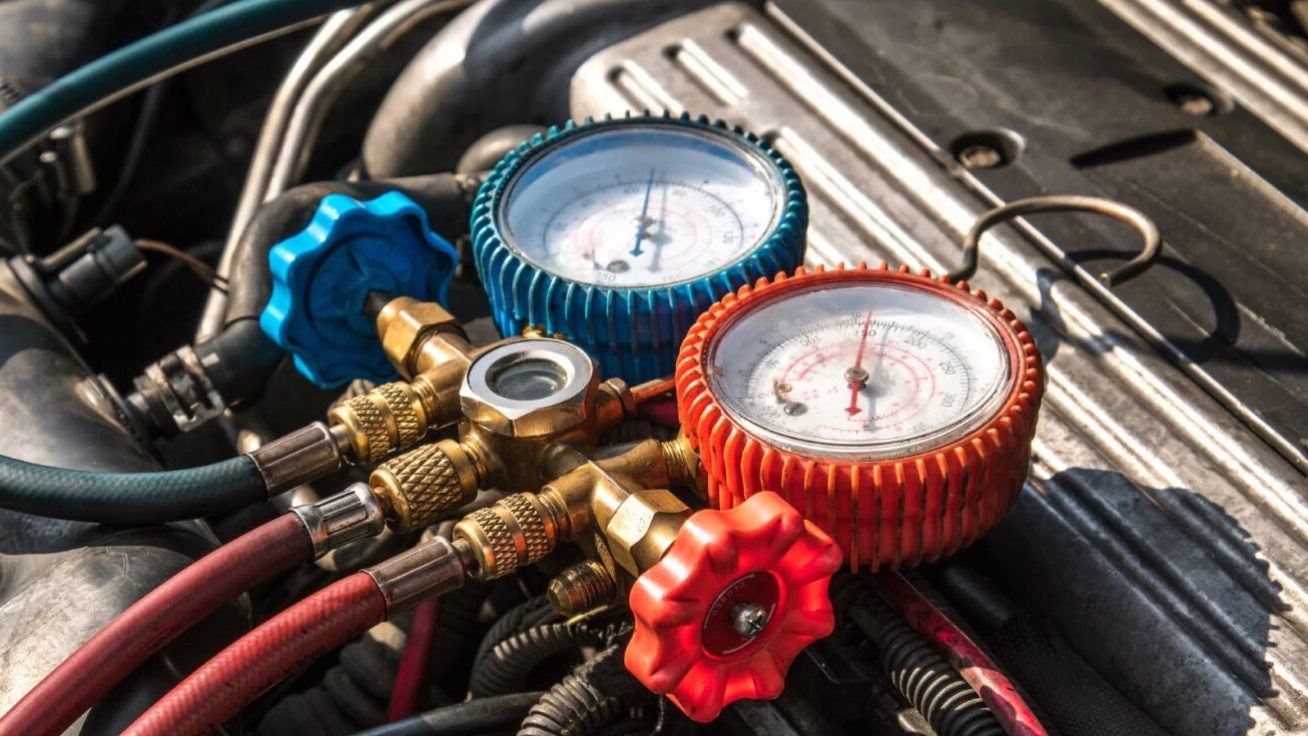
Image via Shutterstock Is your car AC not working? When your air conditioning fails, it may be more than just uncomfortable. It can indicate underlying issues that can lead to bigger car maintenance problems if you don't take care of them promptly. Signs of AC Failure Inadequate Cooling The most obvious sign of AC trouble is a lack of cold air. If the air coming from your vents feels warm or just slightly cool, your system might be low on refrigerant. There could also be a blockage in the system. Strange Noises If you hear rattling, banging, or other unusual sounds when the AC is on, it could mean you have a problem with the compressor. The compressor is the heart of your air conditioning system. Don't ignore these sounds, as they can warn of serious issues. Foul Odors A musty or moldy smell coming from the air conditioning vents suggests mold or mildew growing somewhere in the system, possibly the evaporator core. Apart from being unpleasant, this can pose health risks, especially for anyone with allergies or respiratory issues. Why Is Your Car AC Not Working? Refrigerant Leak The most common cause of a malfunctioning AC is a refrigerant leak. Without the proper amount of refrigerant, your system cannot cool air effectively. Faulty Compressor The compressor is the core of your air conditioning system. If it fails, the entire system shuts down. Compressor issues can often stem from leaks or a lack of refrigerant. Clogged Filters or Lines Over time, filters can become clogged with debris, or lines can get blocked. This prevents proper airflow and stops your system from working correctly. Electrical Issues Modern air conditioning systems are complex and rely on electrical control units. Any electrical fault in these parts can cause the system to fail. Don't Ignore AC Problems Ignoring problems with your air conditioning can lead to more severe, expensive repairs down the line. For instance, a refrigerant leak can damage the compressor, and a faulty compressor can strain your car's engine, reducing your fuel efficiency and your vehicle's performance. That's not even taking into account the fact that driving without air conditioning in the heat can be dangerous. Employ Proper Car Maintenance Regular maintenance can prevent many issues with your car's air conditioning system. This includes regularly checking refrigerant levels, inspecting and replacing the cabin air filter to ensure optimal airflow, and having a professional inspect your AC system annually. It's best to have this done just before the weather turns hot, so your AC is prepared to keep you cool all summer. If your car's AC is not working, don't sweat it out: instead, visit your mechanic today. Call Rath Auto Services in Fort Smith, AR, for help fixing your air conditioning.

How to Change a Flat Tire in 8 Easy Steps

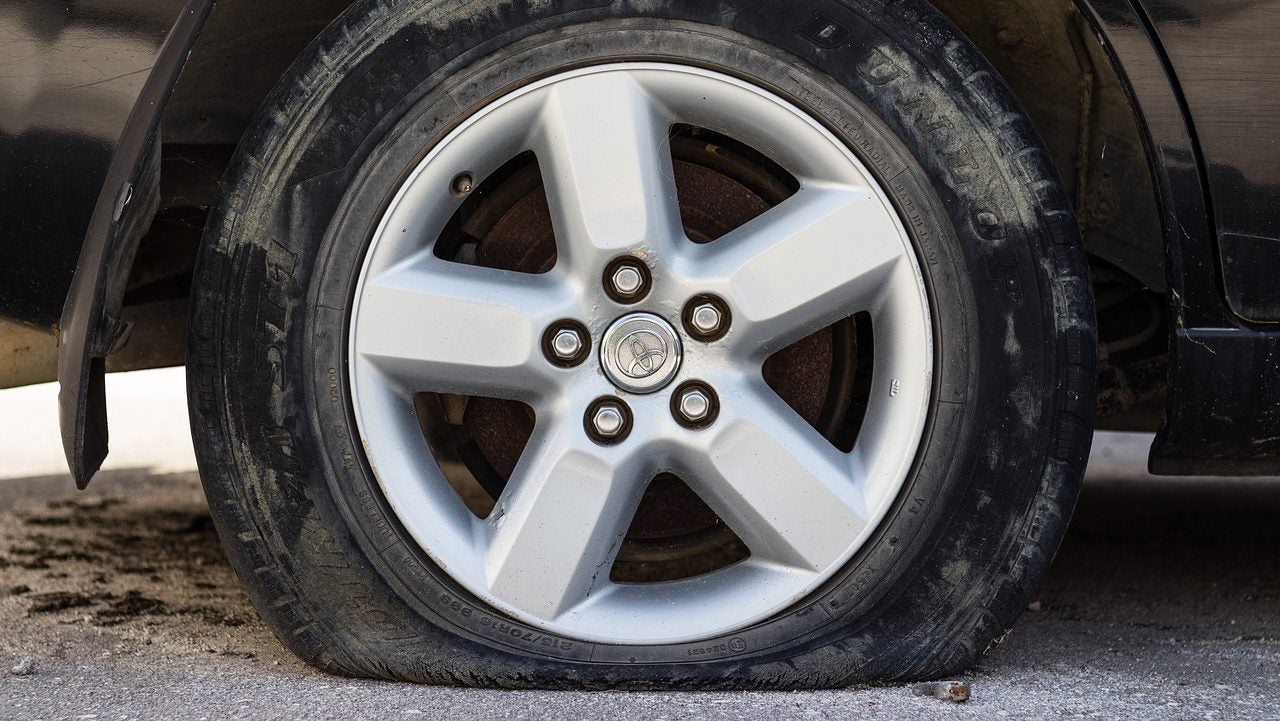
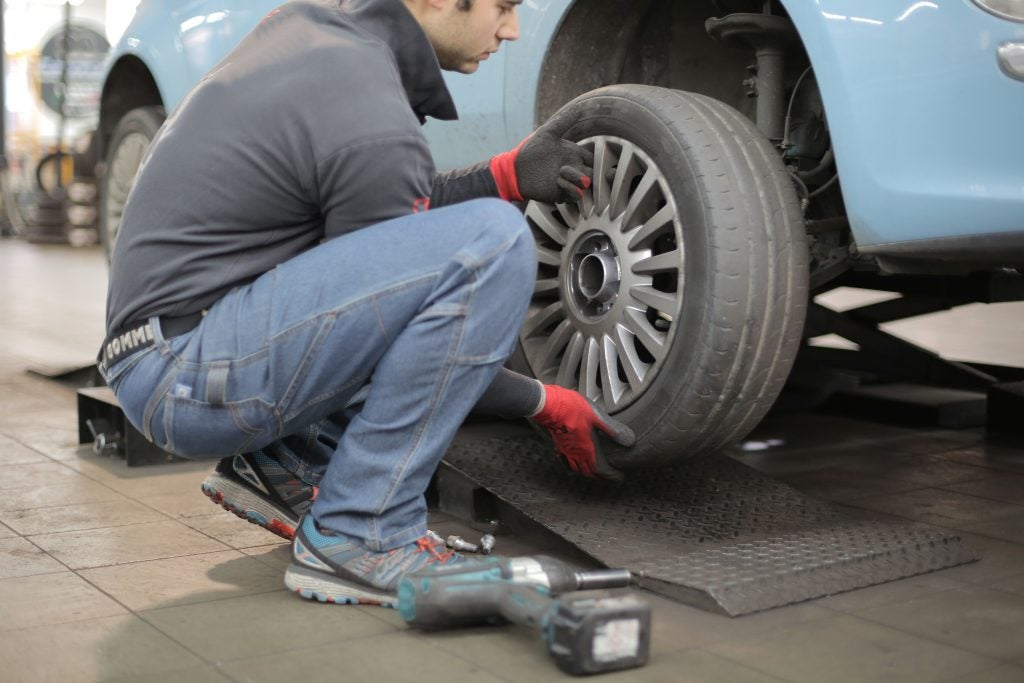
Image via Pixabay At Rath Auto Resources of Fort Smith, AR, we can tell you that car maintenance is the key to a smooth and safe driving experience. But sometimes, despite our best efforts, life has other plans, and we find ourselves dealing with an unexpected flat tire. 1. Safety First Before anything else, ensure you're in a safe location. If you're on a busy road, pull off to the side or into a parking lot. Switch on your hazard lights and make sure your parking brake is engaged. 2. Gather Necessary Tools Before you can change your tire, you'll need a few essential tools. These include a car jack, a lug wrench, and of course, a spare tire. Most cars come equipped with these tools in the trunk, so it's a good idea to familiarize yourself with their location in advance. 3. Loosen the Lug Nuts Before you lift the car, use your lug wrench to slightly loosen each lug nut on the flat. Turn the lug wrench counterclockwise. Do not remove the lug nuts entirely yet. 4. Position and Raise the Car Jack Place the jack under the car's frame close to the tire. Ensure the jack is on a firm and stable surface. Raise the car slowly until the tire is off the ground. Make sure the car is steady before proceeding. 5. Remove the Tire Now, remove the lug nuts completely and set them aside in a place where they won't roll away. Once done, grip the tire by its treads and pull it towards you until it's free from the hub. 6. Mount the Spare Tire Align the holes of the spare tire with the lug bolt posts on the hub. Push the spare onto the hub until you can see the lug bolts through the rim's holes. 7. Hand-Tighten the Lug Nuts Start by screwing the lug nuts back on by hand. Ensure they're as tight as possible without using the wrench. This will ensure the tire is properly seated. 8. Lower the Vehicle and Tighten Using the car jack, carefully lower the vehicle back to the ground. Once the car is securely on the ground, use the lug wrench to tighten each lug nut in a crisscross pattern. Make sure they're as tight as possible to ensure safe driving. Get Regular Car Maintenance in Fort Smith, AR to Avoid a Flat Well, it's impossible to guarantee that you'll never experience a flat, you have a much better chance of avoiding one if you get regular maintenance at the dealership. This maintenance will include inspections of the tire and tire rotations to help you have a better chance of avoiding a flat. Remember that regular tire maintenance and inspections are your best defense against unexpected flats or blowouts. Whether you need some maintenance or have just had a flat, bring your car to us at Rath Auto Resources of Fort Smith for expert care.

4 Car Maintenance Tips for Used Car Owners

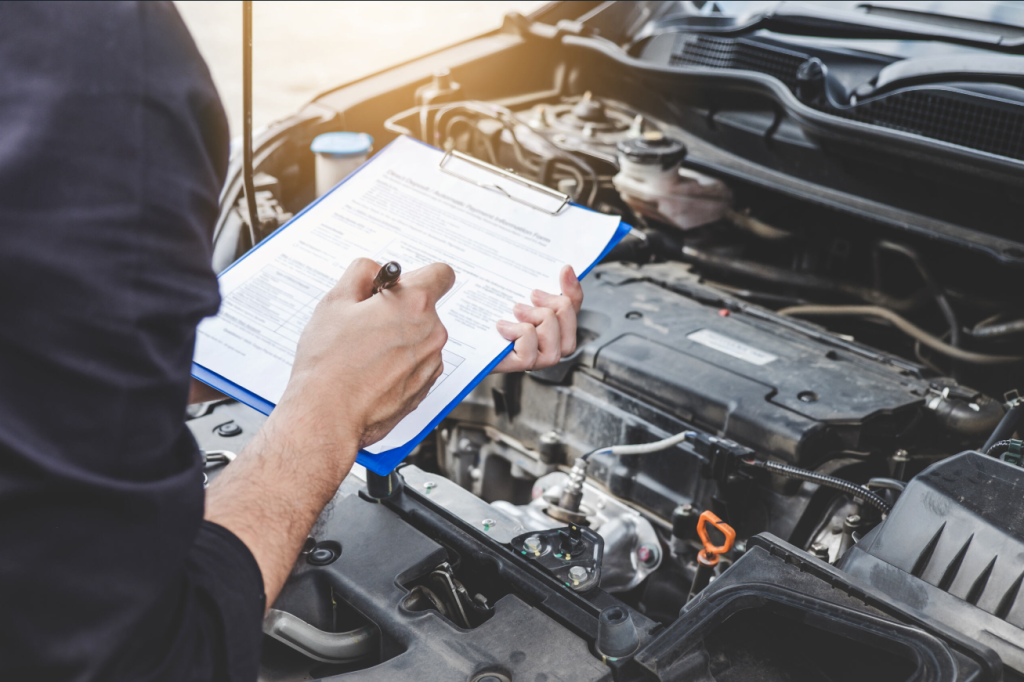
Owning a car is one of the biggest commitments you make in life, regardless of whether it's new or used. Regular car maintenance is essential to keep your used vehicle running at its best. To help you stay ahead of any potential issues, we've put together four maintenance tips for car owners that will go a long way in helping protect your investment. 1. Have Your Vehicle Regularly Checked by an Experienced Dealer One important way to stay on top of your car's condition is by scheduling regular inspections at an authorized dealership. The technicians at the dealership can inspect every aspect of your car, from adjusting tire pressure and brakes to examining spark plugs and air filters, all of which are fundamental to keeping your car running smoothly and safely. The technicians can also check the battery, refill fluids such as antifreeze or engine coolant, and check the condition of your belts or hoses. With regular servicing from a certified dealer, you can feel confident driving on the roads knowing that you are safe in a car that has been properly inspected and maintained. 2. Get Your Oil Changed Changing the engine oil, as the manufacturer recommends, is crucial to keeping your car running in good condition. Doing so can extend the life of a vehicle by helping reduce friction and wear on engine parts. Furthermore, replacing worn-out oil with new oil helps keep your engine clean and reduces the risks of dirt buildup that can lead to expensive repairs down the line. 3. Repair Wear and Scratches While the occasional dent or scratch in your car can easily be overlooked, it's crucial to get them repaired. Not only can dents and scratches detract from your car's overall aesthetic, but if left unattended, they can eventually cause rust and further damage. Fortunately, you don't have to tackle these repairs on your own. Your dealership is a great resource for dealing with this kind of work. 4. Use the Correct Fuel for Your Car Gasoline, diesel, and even alternative fuels like ethanol or biodiesel can provide power, but their use depends on the make and model of the car. Each of these fuels comes with its own set of advantages. However, using the wrong fuel for your car can cause serious issues such as corrosion, engine stalling, or complete engine failure. Furthermore, incorrect fuel usage may nullify any existing warranty from the manufacturer, making costly repairs out-of-pocket. Our team is dedicated to keeping your car running in peak condition. Whether you need an oil change, brake repair, or new tires, we have you covered. Contact Rath Auto Resources Fort Smith to schedule an appointment today and get ready to hit the roads with confidence.

How Often Should You Get a Tire Rotation?

How long has it been since your last tire rotation? Maintaining a safe and dependable vehicle requires regular tire maintenance, and there are many benefits to getting this service. If it has been too long since your last rotation, don't stress. At Rath Auto Resources, we can help you get the quality auto care you need in Fort Smith, AR. Every vehicle is different, but many drivers get their tires rotated every 5,000 to 8,000 miles. However, this can vary by vehicle model and other factors. If you aren't sure if you need a rotation, you can easily find out. It is always a wise idea to look in your owner's manual for information about the service schedule for your specific vehicle model. Your owner's manual is a valuable resource that explains all the basics of essential vehicle care. Of course, if you have any questions about services for your vehicle, we would be happy to help. Don't hesitate to give us a call. The Benefits of Regular Rotations Regular rotations help spread the wear on your tires, which allows them to wear out more evenly, making your tires last longer. Preserving the life of your tires also means you won't need to change them as often. Changing your tires can be expensive, so you will love saving money and time. Getting your tires rotated can also improve your driving experience and help your vehicle drive more efficiently. They will also be less susceptible to damage. When you take good care of your tires, you will be less likely to have tire problems on the road, which could leave you stranded. Where To Get Quality Vehicle Service in Fort Smith, AR Many people put off getting regular rotations because they don't feel like they have the time. They may also find it inconvenient. We take the stress out of tire care. When you get car care from us, you will have access to qualified technicians, great deals, and dependable service. You can schedule your next appointment online at a time that is convenient for you. We will help ensure that you get all the benefits of regular rotations without the hassle. Don't overlook tire care if you want to keep your vehicle running smoothly. Contact us at Rath Auto Resources of Fort Smith today, and we can help you get the services you need for your car. If you are looking for a reliable vehicle, we can also help you with that. We are ready to assist you with any of your automotive needs. We hope to see you soon!

Does Your Car Need New Headlights?

A burned-out headlight can be a frustrating inconvenience, but it can also be seriously dangerous. Without proper lighting during an evening drive or through a rough thunderstorm, you can be involved in an accident that possibly could have been prevented just by installing new headlights. Strong visibility is essential to safe driving, and knowing the signs of malfunctioning headlights can keep you from finding yourself in a dangerous situation. Signs That You Need New Headlights No Lights The clearest sign that your headlights need immediate replacement is if they won't illuminate at all. Whether they are manual or automatic, your lights should always have the capability of turning on when the ignition is engaged. Broken headlights must be replaced as soon as possible to ensure the safety of yourself and others on the road. Malfunctioning headlights may also result in a traffic ticket, as working lights are required by law. Sometimes one headlight will burn out before the other, which can be difficult to notice as your path will just be slightly less illuminated, but still lighted nonetheless. Headlights are typically replaced in pairs because if one light is out then the other is likely to go very soon. Flickering Lights It can be very alarming to be driving on the road when your headlights suddenly begin to flicker. While this may not cause you to panic, it is certainly an urgent sign that the bulbs of your headlights are about to die completely. Flickering is a good indicator that the filament of the bulb is damaged or excessively worn. Similar to how a lightbulb in your home may flicker when it ages, your headlight bulbs can too. If this flickering is ignored then you may end up with completely burnt-out bulbs. Flickering can also be an indicator that your headlight bulbs have a faulty connection, which needs to be addressed as soon as possible. Dimming Lights Properly functioning headlight bulbs are bright and clear, much like any light bulb you use in your home. As your vehicle ages, you may find that the clear plastic lens protecting the bulb has become scratched or cloudy with wear. This can affect how much light is being emitted by the headlights but does not necessarily indicate a problem with the bulb itself. Regularly cleaning these lenses, such as with a car wash, can help prevent this build-up, keeping your visibility high. Headlights do, however, slowly dim as they age, so if your lenses are clear and you are experiencing dimmer light emittance, then it's time to change out the bulbs. Don't wait until it becomes difficult to see in front of you on the street or highway to get them fixed. Come see us today at Rath Auto Resources of Fort Smith if you have a headlight on your vehicle that you aren't sure about. We are happy to service your vehicle and test your lights to make sure they won't fail on you anytime soon. Our experienced technicians have the training and equipment to keep your vehicle in top shape. Image via Pixabay

Time for a Radiator Repair? 5 Reasons Not to Ignore the Signs

Your vehicle's radiator keeps the engine cool and prevents it from overheating. The radiator can only perform effectively if all the components of the cooling system work as they should. In the following article, we will discuss why it is vital not to ignore the warning signs and get a radiator repair as soon as possible. Time for a Radiator Repair? 5 Reasons Not to Ignore the Signs 1. Leaks Will Cause Overheating A common sign of radiator problems is leaking. When you see a red or green puddle under your car, it's a sure sign that there is a coolant leak. Radiator leaks are caused by cracks or degrading or loose hoses, which will allow the fluid to escape. Coolant runs between the radiator and the hot engine. This creates pressure which in time will affect the radiator hoses. When there is a leak, it will ultimately lead to overheating. To solve the problem, your technician will have to replace the radiator hoses. 2. Contaminated Coolant Will Clog Up the Radiator When the coolant changes from a healthy red or green color into a brown, oily sludge, it's a sign that the fluid has been contaminated. This sludge will clog up the radiator and prevent it from cooling down the engine. In turn, this will lead to overheating and engine problems. A coolant flush is needed to get rid of all the buildup and clear the system. 3. Rust Will Lead to Corrosion With the combination of liquid, air, and metal, rust is bound to set in, and if it's not sorted out fast, it could damage the cooling system and get into the engine. When a radiator becomes rusty, the rust mixes with the coolant a thick sludge is formed. This can lead to corrosion. There are two ways to see if rust is setting in. You will see the rust on the outside of the radiator. The coolant will also have a brownish color. The radiator will have to be flushed, and the coolant will be replaced. 4. Overheating Will Occur When Idling or Driving If you notice that the temperature gauge spikes when your vehicle is idling, it could be caused by a broken or failing radiator fan. The fan draws air in to cool down the radiator while driving at low speeds or idling. When the fan stops working, your vehicle's temperature will rise when in traffic or waiting at an intersection. 5. Overheating will Cause White Steam or Smoke The white smoke could be coming from under the hood or from the tailpipe. The smoke is caused by an internal coolant leak and will lead to your vehicle overheating. Either way, pull over immediately when it's safe and wait for your vehicle to cool down. This is a serious problem, and our best advice is to contact your technician straight away and ask for assistance. A faulty radiator that is not fixed immediately could cause extensive damage that will be expensive to repair. Contact Rath Auto Resources today. One of our expert technicians will do a thorough radiator inspection and ensure that your vehicle's cooling system is in excellent working order.

Three Steps to Take When You Need to Get a Brake Repair Fort Smith AR

Three Steps to Take When You Need to Get a Brake Repair in Fort Smith, AR

The braking system on your vehicle is one of the most critical components to ensure is always working properly. After all, it is the only thing preventing you from crashing into objects because you can't stop. However, drivers sometimes forget to have their brakes inspected on a regular basis and may not know the steps to take when you need to get a brake repair. Get Your Brakes Inspected The first step to take when you think you may need to get your brakes fixed is to take your vehicle to a service center for inspection. Often, this is done at the same time as an oil change, but if you notice that your brakes have gotten mushy or you need more pressure on the brake pedal to stop your vehicle, then you should take your vehicle into a service center immediately to have them checked out. Another sign that it's time for brake service is a squealing or grinding sound coming from your tires when you stop your vehicle. Brake pads are equipped with a sliver of metal that becomes exposed as your pads wear down. Eventually, as the brake pads wear away, the metal sliver comes in contact with the rotors, causing it to squeal. Grinding is even more serious because that means the metal is entirely worn down. Ask About Specials If a service center inspects your brakes and tells you that they need to be repaired, ask about any specials the center is currently offering. In many cases, there will be a deal on parts, including brake pads and rotors. Often, these deals will also include installation, so you don't have to worry about installing them yourself. Typically, you can get your brake inspection free if you opt to have them repaired at the service center. Other service centers might offer you a prepaid gift card if you purchase your brake parts through them, or a brand may be offering a rebate on the brake pads you need to replace. Still other centers may have a discounted brake service package that includes brake pads, machining your rotors, cleaning and lubrication, and brake line inspection. Whatever the deal, it will save you some money if you ask about these specials or coupons before your brakes are serviced. Choose Factory Parts If you decide not to go to your vehicle manufacturer's service center to fix your brakes, be sure you choose genuine brand-specific brake parts if you need to have any replaced. This is because not all pads will fit well with your vehicle, but your manufacturer has specified which parts have been designed for your vehicle's exact make, model, and year. These should be the parts you use for the best results. Of course, if you have your brakes inspected and repaired at your vehicle manufacturer's service center or dealership, you can be sure that only factory-specific parts will be used to replace your work pads and rotors. Not only that, but you'll get superior service from factory-trained technicians as well. This way, you can be sure that your vehicle is in the best possible hands as it is repaired. Getting your brakes repaired is probably not something you look forward to doing, but if you don't, the consequences could be extremely dangerous. Call Rath Auto Resources now to schedule your brake inspection and get the process of fixing your brakes in motion.

2019 Hyundai Elantra SEL

3 Signs It's Time to Replace Your Car

As long as you maintain it regularly and make repairs when needed, a good vehicle can serve you and your family for years or even decades. However, every car eventually experiences so much wear that it becomes difficult to operate. Here are some of the most common signs that you should trade in your old car for a newer model with better features and more power. 1. You Need Repairs Often No matter how new your ride is, you'll always need regular maintenance and some occasional repair. However, when problems become more frequent and severe, it could be a sign that your vehicle is reaching the end of its life. Having to get constant repairs is annoying and inconvenient, and the costs for replacing important components such as the transmission often exceeds the value of an older car, truck, or SUV. Instead of dealing with constant issues and worrying about whether you can make it to your next destination without a breakdown, use the money you would otherwise spend on repairs to invest in a newer vehicle. 2. Fuel Efficiency Drops If you notice that your visits to the gas pump are becoming more and more frequent, it may be a sign that your engine's efficiency is falling. At first, the increase in cost may seem small, but those dollars and cents can pile up quickly over time. The drop in efficiency could be from a relatively minor issue like a dirty fuel injector, or you could have a more severe problem. You should get your car inspected by a professional to find out how much repairs will cost. Since newer vehicles are much more efficient than the options available a few years ago, replacing your car will make your fuel costs lower than ever. Using an efficient hybrid or electric vehicle can reduce your transportation costs most over time. 3. Your Vehicle Becomes Unsafe If your car's axles become unstable, your engine's pistons knock loudly and frequently, or your belt system is wearing out belts regularly, you could have an issue that risks the safety of you and your passengers. Unstable axles can lead to a lost wheel or a broken axle, causing a serious accident. Replacing belts can often get expensive quickly, and you could get into a wreck if a belt snaps while you're moving down a highway. Engine pistons that knock loudly often signal an upcoming engine failure. If you start hearing strange noises, have your vehicle checked by an expert. You could also notice a burning smell from excess friction on your belts, an engine that's too hot, or faulty wiring. Your vehicle's electronics could stop working, and you could even have to deal with a fire near the engine. These risks often mean that insuring an older vehicle is more expensive than insuring a newer car. Many insurance companies also give discounts for safety and driver assistance features such as lane-keeping assistance, blind spot warning, pedestrian detection, and automatic emergency braking. When it's time to trade in your old vehicle, head to Rath Auto Services. Their experienced staff will guide you through their impressive inventory and help you find your ideal vehicle. Image via RathAuto.com

oil change

3 Top Ways to Maintain Your Vehicle's Value

They say the most expensive drive you'll ever take in your car is the one from the dealership to your house, as it instantly depreciates by 10 percent. Even after that, your vehicle's value will continue to drop throughout its lifetime because of wear and tear but also due to new technologies found on more recent cars. That doesn't mean you can't delay that depreciation as much as possible, though. These tips will keep your car valuable until the moment you're ready to sell it. 1. Get Regular Check-Ups A vehicle's mechanical problems usually tend to start from a minor issue which develops over time and spreads to other components. For that reason, getting regular checkups is a simple and relatively inexpensive way of keeping your car in top shape for years. When done in due time, simple repairs and regular oil changes add many years to a car's life. Also, it's quite possible that a potential buyer knows all this, so keeping records of all the checkups will increase the car's potential price, as you'll have proof it's been properly taken care of. 2. Regularly Clean and Wax your Car The first thing a new buyer sees is the car's exterior, so regularly washing and waxing it will keep it looking shiny and new. Waxing your car a few times every year will keep it protected from small scratches and against the paint losing its color, while washing the dirt will prevent any accumulation of mud that may lead to rust, especially around the wheels. You can do both of these yourself, but for a much better job, it would be best to leave it to professionals, as it's not very expensive. The car's interior is at least as important as the exterior and needs to be kept clean. Unlike the exterior, the main factor in interior deterioration is actually you and the way you treat your vehicle's cabin. Avoid smoking and eating in the car, because in the long run a spill or small burns in the upholstery are pretty much inevitable. It's best to have your car professionally detailed once or twice every year to keep it looking and smelling great. 3. Drive your Car Properly You can have regular checkups and wash your car every day, but none of these will mean much if your style of driving puts more strain on the car than it should. Any vehicle is engineered to sustain occasional moments of aggressive use, such as a hard brake or a fast corner once in a while, but if your style of driving resembles what goes on at a racetrack more than a public road, your car will definitely suffer. You'll also be more exposed to dents and scratches, as well as increasing the risk of a serious accident. Maintaining your vehicle's value is not something that's hard to do, but it implies frequent care and maintenance. However, when the time comes for you to sell it, all the time and care you have invested in it will pay off. Image via Pixabay.com

Contact Us

Fill out this form below and we'll contact you shortly
*Required Fields