
Blog / Car Care Tips & Tricks

Blog

All Car Care Tips & Tricks Family Activities Near Fort Smith Fort Smith Local Attractions Best Used Cars (by Auto Brand) Tips for Buying a Used Car Best Restaurants in Fort Smith Fort Smith Parks & Recreation Car Safety Tips Explore History of Fort smith Best Family Vehicles New Driver Tips & Tricks Fort Smith Auto Service & Repair Family-Friendly Restaurants Asian Restaurants Brunch Spots Rath Auto Resources SUV Used Vehicles for Sale Fort Smith, AR Italian Restaurants 2021 Ford Escape 2022 Chevrolet Blazer 2024 Chevrolet Malibu 2024 Honda Pilot 2024 Jeep Compass Burger Restaurants Chevrolet Equinox: Coffee Shops Ford F-150 Mexican Restaurants Used Ford Vehicles
Car Tires

Get Your Car Ready for Warmer Weather: 4 Things to Consider

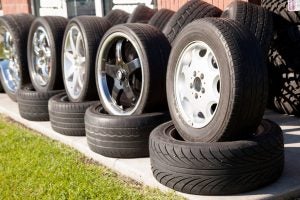
With summer just around the corner, now is the time to start getting your car ready to handle the hot days ahead. Here are some tips to get your car summer-ized to avoid any unfortunate breakdowns. 1. Take Care of Your Tires Winter can be extremely rough on tires. Not only is there the everyday wear and tear from driving on the road, but all those times spinning out in icy driveways and parking lots add an extra toll. Now that the snow is melting and the weather is warming, it's time to make sure your tires are still in good working condition. Examine the sidewalls and tread for damage and make sure tread depth is still good. An easy trick for checking tread depth is to take a penny and stick it into the tread groove upside down with Lincoln's head facing you. If you can see the ex-president's entire head, then the tire needs replacing. 2. Check Fluid Levels Odds are that unless you had your car serviced over the winter, the fluid levels have probably not been checked. It's understandable given all the snow and freezing weather, but now that it's getting nice out, you need to make sure they are good. Specifically, the engine oil, coolant, power steering, and transmission fluid all need to be checked and topped off if necessary. Depending on how long it has been, it may be time to have your fluids changed out. Specific mileage requirements vary by manufacturer, so consult the owner's manual for specifics. 3. Get a Car Wash This is something that should have been done at least a few times during the winter. Salt and grime have a way of getting into every nook and cranny of your car and will destroy the finish over time. Now that winter is over, give your car a good washing and pay extra attention to the undercarriage. Some people really enjoy washing their own car but in this case, it is probably better to go to the car wash. The high-pressure water jets will be able to get all those tough to reach spots and remove any corrosive salt. 4. Check the Battery The freezing cold of winter can play havoc with your car's battery. A car battery uses lead plates suspended in a water-diluted acid bath and extremely low temperatures can weaken the battery's ability to hold a charge. In addition to the cold, normal wear can cause water to leak out of the battery which will also weaken its ability to crank the engine. You can have the battery refilled if the levels are low. Make sure to perform a physical inspection of the battery first for any signs of major damage. Some batteries are sealed and won't be refillable. In these cases, your only option is to replace the worn out battery. With these tips, you can keep your car in good working shape through the hot summer months. Taking these precautions will ensure you avoid costly breakdowns and time wasted waiting on a tow truck. Image via Flickr by everycar_listed_photos
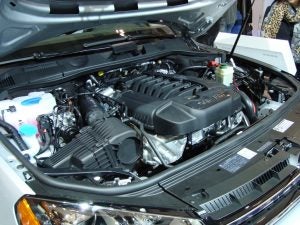
car engine

5 Basic Car Care Tips Everyone Should Know

When you're buying a vehicle, you should know basic car care practices. A vehicle is an investment that you want to keep in good condition. Take care of your car, and it will continue to take care of you. Our team at Rath Auto Resources knows its way around a vehicle. Here are five basic car care tips everyone should know. Oil Changes This one may seem like a no-brainer, but people still get it wrong all the time. Regular oil changes can prolong your vehicle's lifespan by years. Not much ruins an engine more than letting oil stay in the engine months after a change is due. You can also be too careful about your oil changes. You've probably been told that you need to change your oil every 3,000 miles. In most cases, this is false. Save your money. Technology has advanced, and most car companies say you can wait as long as 10,000 miles to change your oil. Of course, you should still check your owner's manual to see what your own vehicle calls for. Tire Pressure Make a habit of checking your tire pressure. Low tire pressure can wear out your tires fast, while high tire pressure can be dangerous when you brake.  At the very least, make a quick walk-around once a week to make sure you're not running flat. Preferably, you'd use a tire gauge to check your tires' PSI levels. Don't know what your PSI should be? Open your driver door and look down. Most models these days have a sticker where the door meets the body that tells you the recommended PSI for your tires. Monitor Your Brakes Don't ignore signs that your brakes may need replacing. If you hear irregular noises, feel any vibrations in the steering wheel, or smell anything funky when you apply the brakes, take your vehicle in for inspection. Don't put this one off. Driving around with bad brakes can put you in some pretty bad situations. Check Engine Light Keep an eye out for your "check engine" light. It's the little symbol in the shape of an engine and will show near your speedometer. This light could mean many things, but most of the reasons that cause it to pop on are serious. When you see it, pull over and pop the hood. Be careful as you do so, in case your engine is overheating. Check your oil level. See if anything looks amiss. If you can't find anything, it's a good idea to take it to a repair shop to have professionals assess the situation. Replace Air Filters A good rule of thumb is to change your air filter every six months. This is a basic task you can request when you get your oil changed. Dirty air filters can cause your engines to get dirty. A dirty engine has to work harder to perform the same tasks and can lower efficiency, which costs you money at the pump and can cause engine problems. You don't have to be a mechanic to keep your car running smoothly. Anyone can learn how to perform these routine tasks and checkups. Stay safe out there! https://www.flickr.com/photos/mikebabcock/5633253504/sizes/l Image via Flickr by Mike Babcock

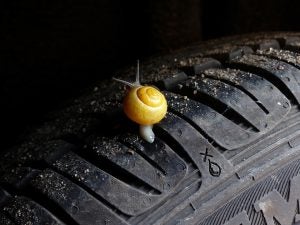
tire with snail

Go Green and Save Money: Tips for Getting Great Gas Mileage

Everyone loves to save a bit of money where they can, but are you doing everything you can to get better gas mileage and reduce spending at the pumps? There are a lot of things you can do to ensure you get the most out of every fill-up. Keep Your Tires Properly Inflated Something as simple as making sure your tires are fully inflated throughout the year can lead to marked improvements in gas mileage throughout the course of a year. As tires lose pressure, more surface touches the road, which in turn, increases friction against the road. This makes the engine work harder to fight this friction as you drive. Properly inflated tires help you roll further at sustained speeds, reducing the need to press the gas as much. Drive Sensibly Simply driving in a sensible manner can also save you some gas. Accelerating quickly causes the RPMs to jump by a few thousand. When the engine is operating at these higher RPMs, it's using significantly more fuel than when cruising between 1,000 to 2,000 RPMs. Of course, you still need to accelerate quickly to merge onto a highway or perform a safe passing maneuver, but driving at high speeds all the time adds up in the fuel economy department. Use Your AC at High Speeds There's something magical about having your windows down on the highway. An amazing rush of wind in your face cooling you down despite heat. However, at some speeds, keeping your windows up and putting the AC on can improve your fuel economy. Once you roll down your windows, the amount of drag your car creates is increased, which means the engine needs to work harder to cut through the air. Change Your Oil Regularly Once your oil becomes dirty, it can become less effective, making the engine work harder for every RPM. Staying on top of your oil changes is a great way to keep your fuel economy in good shape. Changing your oil regularly can also reduce costly engine issues down the road. Get That Check Engine Light Fixed A check engine light can mean a lot of things. While it may not be dangerous to drive with the check engine light on, it can lead to larger problems if left unchecked. Some engine issues that cause check engine lights will negatively affect your fuel economy in a big way. Faulty valve timing solenoids are some of the biggest offenders in the fuel economy department. Regardless of the issue, get your check engine light diagnosed and corrected as soon as possible. Avoid Stop-and-go Traffic Your engine uses the most fuel bringing the car up to speed. If you need to constantly stop the car and bring it back up to speed because of traffic, your fuel economy will be suffering. Another thing to try to avoid is very short trips, such as ones down the road or to the mailbox. These shorter trips can create more engine build-ups, which would be cleaned up by the engine during a longer drive of 5 miles or more. Employing just a few of these tips will have you saving money at the pumps in no time. You'll be surprised at how much money you save by doing so. Image via pixabay.com

Your Cars Emergency Kit - Rath Auto Resources

14 Items Every Car Emergency Kit Must Have

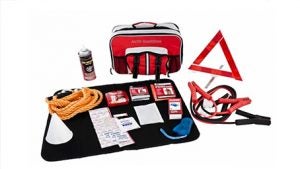
When it comes to car travel, an emergency kit is one of those things you only think to pack after it's too late. You're already stranded in the middle of nowhere without a functional phone and drinkable water or any means of fixing your car. Why You Need An Car Emergency Kit Having membership in an auto club with roadside assistance often feels like enough protection. You know help will come if you get stuck, so you don't think about it further. But what if you get stuck somewhere without a phone, or with a phone without a signal? What if it takes hours for roadside assistance to reach you? And what if you could solve the problem yourself if only you had one really simple item? Add to that the possibility of injury and it's easy to understand why a car emergency kit is essential for every driver. Pre-Made vs Homemade Emergency Car Kits While you can buy pre-made emergency car kits, there are a lot of benefits to packing your own, starting with saving money and ending with knowing exactly what is included. Here are the top 14 must-have items every car emergency kit should include: A fully charged cell phone You may have this on your person, but since it's the big difference between being able to call for help and having to completely help yourself, it's a good idea to always check you have one before leaving. Packing a phone charger or even a spare battery or burner phone is a good idea. A first-aid kit packed with varying sizes of Band-Aids, gauze pads, tape, antiseptic wipes, cream, ointment, and anything specific to you or your family's needs Depending on where you live, insect repellent may also be a good addition in case you're stuck out in the wilds! A fire extinguisher rated for Class B fires, involving flammable or combustible liquids like diesel, gasoline, or kerosene and Class C, which is caused by energized electrical equipment like switches and batteries Three reflective warning triangles A lot of pre-packed kits contain one, but three can be placed at intervals ahead of your vehicle to warn oncoming traffic in the event you break down in a dangerous area. Foam tire sealant - a fast and cheap way to make quick repairs to flats without having to change your tire Jumper cables - at least 10 feet long and coated in 8-gauge rubber A waterproof flashlight with extra batteries Duct tape - at least 10 feet Tow strap or tow rope - should be strong enough to tow 6,000 pounds Swiss Army Knife, Leatherman Tool, or another multipurpose utility tool A waterproof coat or rain poncho Well sealed drinking water. Nonperishable snacks like protein bars. Cold-weather essentials - a warm blanket, a snow shovel, a windshield ice scraper, and cat litter The cat litter can be used to give your tires traction and free you if you get stuck. Sand will also work, but litter is much lighter! With the right car emergency kit, you'll always be prepared in case of emergency. Photo by moneymetals | Licensed under cc BY 2.0

Contact Us

Fill out this form below and we'll contact you shortly
*Required Fields