Blog / Car Safety Tips

Everything You Need to Know About the FTC's Used Car Rule

FTC's Used Car Rule - Rath Auto Resources
The Federal Trade Commission (FTC) has recently amended its Used Car Rule. This adjustment will mean a lot for buyers in the used car market. Take a look at what this rule is, how it has changed, what this means for buyers, and how the FTC is keeping dealerships in check.

The Used Car Rule

The Used Car Rule is an FTC regulation that has been in place since 1985. Previously called the Used Motor Vehicle Trade Regulation Rule, this standard required that car dealers display a window sticker with pertinent information about every used car for sale. This information is also called a “Buyer's Guide” and used to include details such as:
  • Whether a warranty is available or included with the vehicle as well as its terms and conditions and the type of coverage provided
  • What portion of covered repairs the dealer will pay
  • What systems the warranty covers
This ruling was enforced in all states — even those that don't permit selling a used car without a warranty. In such a case, a special type of Buyer's Guide had to be displayed in the window.

How the Rule Has Changed

The FTC has changed the ruling following a self-audited that investigated the efficiency of this system. The new version of the regulation, which has been in effect since January 2018, still requires that used cars for sale display a Buyer's Guide in the window. However, this guide must now include more detailed warranty information, such as:
  • How the dealership will repair parts that fail and are covered by the warranty
  • How recall notices will be issued
  • A note prompting the buyer to ask the dealer if a third-party mechanic can inspect the vehicle before making a purchase
These changes were made after the FTC scrutinized buyer's comments and feedback and personally inspected thousands of used vehicles on dozens of lots across the country.

What the Rule Means for Buyers

The rule means that buyers will have access to more and better information about the vehicles they're considering purchasing. Understanding warranty coverage is vital for consumers, and the FTC's changes will keep dealerships accountable in this regard.

How the FTC Is Keeping Dealerships in Check

The FTC keeps dealerships in check through audits such as the one it performed while conducting research on how it would revise the Used Car Rule. If a dealership isn't compliant with regard to the new regulations, the FTC will provide information about how it can meet the requirements. If the dealership still does not comply, the FTC can issue fines of up to $41,484 per violation. Moreover, if a consumer purchases a vehicle and there's an issue with misinformation or confusion about the warranty due to the lack of a proper Buyer's Guide, the case can go to court. The changes to the Used Car Rule help to protect buyers and make sure they have all the information they need to make a wise purchase. Remember to check for a Buyer's Guide on every vehicle you're considering, and don't hesitate to ask the car dealer if you have any questions.   Photo by Michel Curi | Licensed under cc BY 2.0

Posted in:

Related Posts

Car Maintenance Advice: Does Your Car Need a New Catalytic Converter?

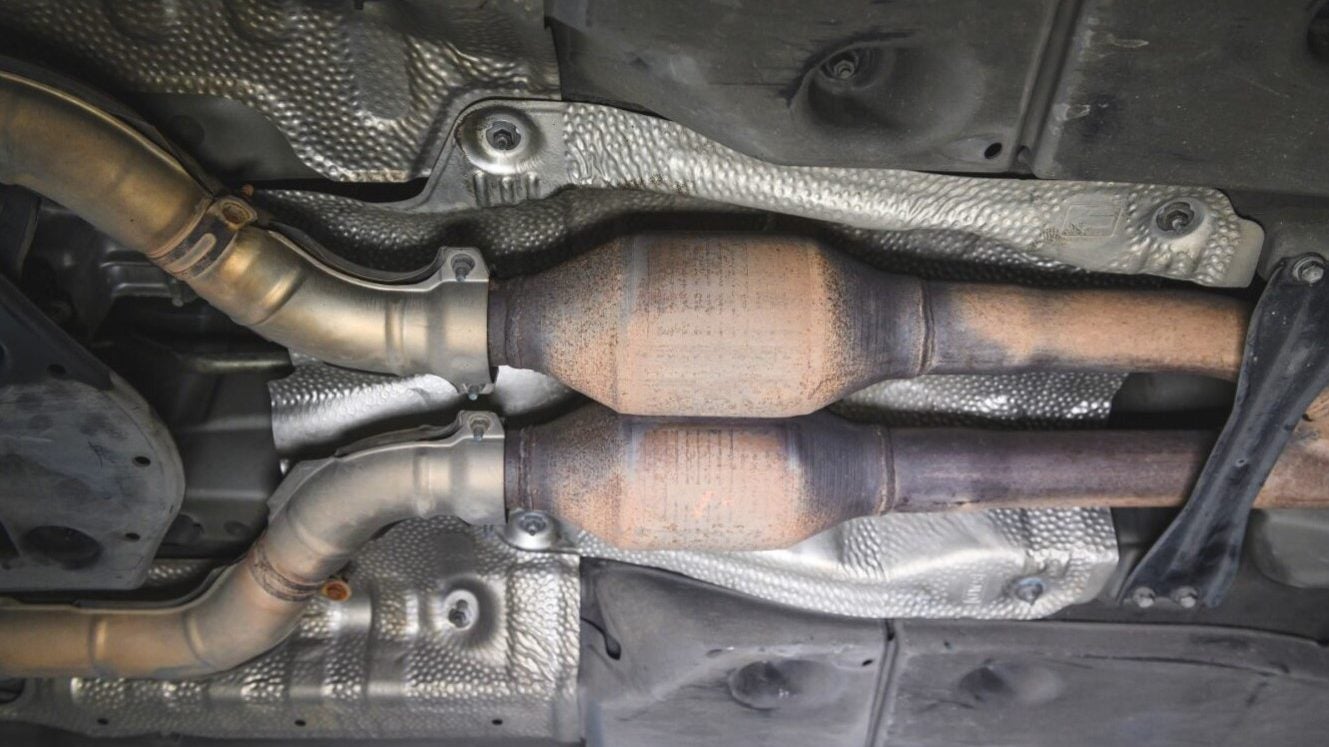
Image via Shutterstock Did you know that your vehicle's catalytic converter plays a crucial role in converting unburned fuel and nitrogen oxide into less harmful substances? It then releases safer emissions through the exhaust. When the converter malfunctions, it can significantly affect your vehicle's gas mileage and performance. Below are ways to tell when you need car maintenance and a new converter installed to ensure your vehicle performs optimally. more Illuminated Check Engine Light If your car's converter malfunctions, the oxygen sensors in your vehicle will detect that the exhaust gases are not adequately catalyzed. This will cause the check engine light on your dashboard to go on. Call us as soon as possible when you see the check engine light is on to prevent further damage to your vehicle. Sulfurous Odor During the combustion process, the sulfur present in the fuel transforms into hydrogen sulfide. The converter then converts the hydrogen sulfide into sulfur dioxide, an odorless gas. When the converter fails to do its job correctly, it won't convert all the gas, resulting in the emission of an unpleasant sulfurous odor from the exhaust similar to the smell of rotten eggs. Poor Acceleration A converter is a metal container between the exhaust manifold and the muffler. The converter contains a honeycomb mesh. Over time, the mesh can get clogged with carbon buildup. It can also get damaged when the heat from unburned fuel melts it. When there is a blockage, it will restrict the exhaust flow, making your car feel slow and sluggish when you step on the gas pedal. Increased Fuel Consumption When the converter is not working correctly, you may notice that your car is consuming more gas than usual. The problem could be an obstruction due to blockage preventing exhaust flow, causing you to stop at the gas station to fill up more often. Rattling Noises Over time, the mesh inside the converter's container begins to deteriorate due to excessive heat or damage. When the mesh breaks down, it will start to make noises. You will hear rattling when driving, especially when your car idles. Stalls and Hard Starts If you hear rattling noises from under your car, and the converter causes it, replacing it as soon as possible is best. When the mesh inside the converter breaks up, it can make its way into the muffler and cause severe damage. Once the material enters the muffler, you may struggle with stalling and difficulty starting your car. Typically, a converter's lifespan is around 100,000 miles or a decade. A malfunctioning converter can cause frustrating car problems. However, if you notice symptoms of a faulty converter, there's no need to worry. Call Rath Auto Resources Fort Smith now to schedule an expert replacement and make all your vehicle problems a thing of the past.

3 Car Safety Features to Look for When Buying Used Cars

More and more people are deciding to buy used cars because it allows them to skip the cost of depreciation. The quality of pre-owned vehicles can be extremely high, especially if you buy them from a reputable dealership. Today, we'll examine some of the car safety features you might want to look out for when purchasing your next vehicle from us. more 1. Airbags If you crash, the airbag inflates and protects you and your passengers from serious injuries. Before you buy a used vehicle, find out whether there are any airbags and if so, which part of the body they are meant to protect. Front airbags generally prevent head injuries, while side airbags are meant to shield the driver or passenger from debris flying into the car and protect them from hitting the side of the vehicle. When you buy a car that includes airbags, it's important to consider that they can be counter-productive if you're not careful. You should always wear a seatbelt because you could get hurt by the airbag if you don't. Similarly, children under the age of 12 will need to sit in the back because the airbag could injure them. 2. Braking Assistance Some newer vehicles include anti-lock braking assistance, which prevents the wheels from locking when a driver panics and hits the brakes very hard. This can help them to avoid skidding, continue steering the car, and regain control over the situation. An anti-lock braking system can be extremely useful and prevent serious accidents. If your car has an ABS, you should find out whether it also includes brake assist, which helps you to deploy your brakes more quickly when you don't depress the pedal enough. 3. Electronic Stability Control Electronic stability control might have a different name depending on which manufacturer you choose, but your dealer can help you find cars with this system. It is a complex mechanism that helps you in difficult situations. For example, it can sense when you are oversteering or understeering, and it activates the brakes one wheel at a time. As a result, you can avoid getting stuck on a curb, accidentally leaving the road, or even rolling over. 4. Good Seatbelts and Headrests Every car currently on the market has headrests and seatbelts, but not all of them were created equal. You should choose a vehicle that has a foam cushion in the headrest, which can protect you during an accident. Similarly, seatbelts should have energy management features, which prevent them from injuring passengers' ribs during a collision. If possible, you should also get seatbelts with adjustable upper belts that can accommodate a wide variety of people. Just because a vehicle isn't brand-new doesn't mean it can't be safe. At the dealership, we sell many cars that have excellent safety features such as braking assistance, electronic stability control, and airbags. Contact us now at Rath Auto Resources Fort Smith and ask to speak to one of our salespeople. They will be more than happy to show you our current inventory and explain the safety features of each car.

grandpa in his truck

Senior Driving Tips

Driving abilities change as we age. When you first started driving, you were probably fearless and taking risks you shouldn't have. When you became an adult, you probably became more cautious, especially if you were carting around children. As you enter your senior years, you might find that physical changes might impair your reaction time behind the wheel. Keep reading to learn more about six tips you can follow when driving if you're a senior citizen. Wear Your Seat Belt Although this is a given, make sure you buckle your seat belt before you start the vehicle. According to the National Highway Traffic Safety Administration (NHTSA), seat belt use in passenger vehicles saved 14,955 lives in 2017. The NHTSA also states that the most effective thing you can do to protect yourself in a crash is to wear a seat belt as it keeps you from being ejected from the vehicle. more Stay on Familiar Roads It's easy to get confused while driving, so you might want to drive only on roads that you're familiar with. Staying on familiar roads can decrease the chances for you getting lost. If you must drive on unknown roads, try to map out your route before you leave the house. Try to memorize the route as best you can so you're not relying on a map while you drive. Be Cautious While Driving at Night You might experience changes in your vision that affect your vision when it gets dark. General darkness and the glare from oncoming vehicle headlights might make it more difficult to see. If this is the case, avoid driving at night. However, if that's not possible, use well-lit streets and consider having a family member or friend accompany you. Take a Refresher Course It's okay to know your limitations and ask for help. Consider taking a refresher driving course through local organizations or community education program. Updating your driving skills might also provide you with a discount on your car insurance. Visit a Physician It's important to continue regular checkup with your physician who can determine if you're physically able to drive. This includes having your eyesight and hearing checked. Wearing glasses or contacts with the correct prescription can help you see the road better, and outfitting your ears with hearing aids can ensure you hear properly. Know Your Medications You might take medications to deal with chronic illnesses such as heart disease or diabetes. Check to see if these medications you're taking can make you drowsy or less alert than usual. If you take more than one medication, they might conflict with each other. Taking these medications that have certain side effects and then getting behind the wheel can inhibit your driving ability. According to the U.S. Department of Transportation, in the United States, there were almost 42 million licensed drivers age 65 or older. It's imperative that you take great care when driving, especially in your later years. By following these six tips, you can continue driving well into your golden years while keeping yourself and others on the road safe. Image via Flickr by RichardBH