
Blog / Car Safety Tips

Blog

All Car Safety Tips Family Activities Near Fort Smith Fort Smith Local Attractions Best Used Cars (by Auto Brand) Tips for Buying a Used Car Best Restaurants in Fort Smith Fort Smith Parks & Recreation Car Care Tips & Tricks Explore History of Fort smith Best Family Vehicles New Driver Tips & Tricks Fort Smith Auto Service & Repair Family-Friendly Restaurants Asian Restaurants Brunch Spots Rath Auto Resources SUV Italian Restaurants Used Vehicles for Sale Fort Smith, AR 2021 Ford Escape 2022 Chevrolet Blazer 2024 Chevrolet Malibu 2024 Honda Pilot 2024 Jeep Compass Burger Restaurants Chevrolet Equinox: Coffee Shops Mexican Restaurants Used Ford Vehicles
Must have safety features | Rath Auto Resources

6 Must-Have Safety Features

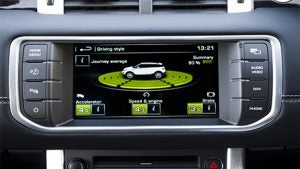
Buying used is a fantastic way to save money upfront while avoiding a vehicle's major depreciation periods. However, you have to be mindful of which year model you purchase. Many of the safety features that are easy to take for granted in newer vehicles aren't available in older cars. Depending on the make and model, even going a year back or picking the wrong trim could mean missing out on key active and passive systems. These are some of the must-have safety features you should look for when buying a used car. Air Bags Though you won't have to worry about your vehicle having airbags, you need to check how many airbags the car you're considering comes with. You also want to look for side curtain, side, knee, and passenger airbags, especially if you're shopping for a family commuter. Another important feature to keep younger kids safe is LATCH systems in the passenger seats. This is required in all vehicles made after 2002, but you should check that the anchors and tethers are functional before making a purchase. more Rear-View Camera A rear-view camera may seem like a luxury, but it should be high on your list of safety features. You should especially prioritize this system if you'll frequently be backing out of a driveway at home, have kids, or regularly perform tight parking maneuvers on your commute to work. Adaptive Cruise Control If you love road trips or have a long commute that has you routinely engaging the cruise control, shop for a vehicle that has adaptive cruise control. With a standard system, you have to press the brakes or deactivate cruise control when traffic slows and then reset it once it's safe again to maintain your desired speed. Adaptive cruise control automates this process, adjusting your speed to keep a safe distance without your having to reset the system. Tire Pressure Monitoring Tire pressure is an overlooked part of vehicle safety. Underinflated and overinflated tires both increase the risk of a blowout. Find a car with tire pressure monitoring to help prevent either problem from happening. Collision Mitigation Collision mitigation includes several active preventative systems that stand out as the more exciting safety aspects of a car. This includes things like lane keep assist, automatic emergency braking, and blind spot monitoring. However, these aren't brand-new inventions. Many 2016-2017 models will feature these systems. If your current car has some of these active safety systems, look for a replacement that also offers them. This will make it easier to get acquainted with the car's features and reduces the likelihood you'll forget that you no longer have blind spot monitoring before changing lanes. Bluetooth Though Bluetooth isn't technically a safety feature, it's an addition that can make you a much better driver. Paired with voice commands or steering-wheel-mounted controls, you can make calls and change your music without taking your eyes off the road. If you plan on using your phone for navigation, this feature will make following step-by-step instructions much easier. Saving money is no excuse to compromise on vital safety features. Make sure your next used vehicle has these six important additions. Photo by landrovermena | Licensed under cc BY 2.0
Signs your A/C needs Attention | Rath Auto Resources

Signs Your Air Conditioner Needs Attention

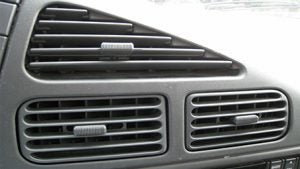
Air conditioners are important pieces of equipment in any vehicle, especially in the summer months. Whether you're just going across town or on a road trip, a good air conditioner keeps you cool. But like other parts of your car, air conditioners need attention from time to time to keep them in good condition. Here are five signs to look for so you can prevent it from failing on the hottest of days. Unit Blows Hot Air If you turn on your air conditioner and it blows hot air instead of cool air, that's a significant issue. However, if the air is simply a little warm or cooler than normal, the problem may just be that the air conditioner needs refrigerant put into it. If the air is hot or new refrigerant doesn't address the problem, take your vehicle in for a service check by trained professionals. more Water in Your Vehicle Your car has many different fluids in it to keep it in working order. At no time should any fluids, such as water, end up on the inside of the car. Air conditioners actually pull moisture out of the air in the cabin and it drains on the outside of the car. This is why you might see a wet spot on the pavement when you park it. One of the common reasons water backs up into the interior of the car is due to a clogged duct or hose. In cases like this, you'll find water stains or puddles on the floorboards or underneath the dashboard. Leaking Refrigerant If refrigerant starts to leak, it serves as another sign that you probably need to have your air conditioner looked at. Without this fluid, there's nothing that helps the air conditioner blow out cool air. With that being said, refrigerant leaks are not easy to spot. This is because it evaporates when it hits the air. So diagnosing it is more complex than other problems. Turning the car over to a professional is the smartest thing to do if you suspect this issue. A Noisy Air Conditioner Every air conditioner produces a sound thanks to the fan inside of it blowing air out. If you hear a noise other than a fan, that means something else is at play. Uncommon sounds heard include banging or rattling. Since the system is actually built to suck out moisture, small things like leaves or even mice nests get pulled into it by mistake. A worn out condenser or compressor belt are also common causes. Have your auto repair professional take a look at this issue and find the problem. Bad Odors When your car's air conditioner functions as it should, you shouldn't smell anything bad. If you turn on the air conditioning and smell something similar to mildew, mold might be growing inside the system. This has serious health issues attached to it if it continues. Have it addressed immediately. Air conditioning is heavenly during warm weather if it's working properly. Stay cool this summer by looking out for these troublesome symptoms. If any of these signs sound familiar, go to your dealer's service department as soon as possible. Photo by Doug Waldron | Licensed under cc BY-SA 2.0

Your Cars Emergency Kit - Rath Auto Resources

14 Items Every Car Emergency Kit Must Have

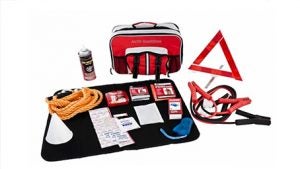
When it comes to car travel, an emergency kit is one of those things you only think to pack after it's too late. You're already stranded in the middle of nowhere without a functional phone and drinkable water or any means of fixing your car. Why You Need An Car Emergency Kit Having membership in an auto club with roadside assistance often feels like enough protection. You know help will come if you get stuck, so you don't think about it further. more But what if you get stuck somewhere without a phone, or with a phone without a signal? What if it takes hours for roadside assistance to reach you? And what if you could solve the problem yourself if only you had one really simple item? Add to that the possibility of injury and it's easy to understand why a car emergency kit is essential for every driver. Pre-Made vs Homemade Emergency Car Kits While you can buy pre-made emergency car kits, there are a lot of benefits to packing your own, starting with saving money and ending with knowing exactly what is included. Here are the top 14 must-have items every car emergency kit should include: A fully charged cell phone You may have this on your person, but since it's the big difference between being able to call for help and having to completely help yourself, it's a good idea to always check you have one before leaving. Packing a phone charger or even a spare battery or burner phone is a good idea. A first-aid kit packed with varying sizes of Band-Aids, gauze pads, tape, antiseptic wipes, cream, ointment, and anything specific to you or your family's needs Depending on where you live, insect repellent may also be a good addition in case you're stuck out in the wilds! A fire extinguisher rated for Class B fires, involving flammable or combustible liquids like diesel, gasoline, or kerosene and Class C, which is caused by energized electrical equipment like switches and batteries Three reflective warning triangles A lot of pre-packed kits contain one, but three can be placed at intervals ahead of your vehicle to warn oncoming traffic in the event you break down in a dangerous area. Foam tire sealant - a fast and cheap way to make quick repairs to flats without having to change your tire Jumper cables - at least 10 feet long and coated in 8-gauge rubber A waterproof flashlight with extra batteries Duct tape - at least 10 feet Tow strap or tow rope - should be strong enough to tow 6,000 pounds Swiss Army Knife, Leatherman Tool, or another multipurpose utility tool A waterproof coat or rain poncho Well sealed drinking water. Nonperishable snacks like protein bars. Cold-weather essentials - a warm blanket, a snow shovel, a windshield ice scraper, and cat litter The cat litter can be used to give your tires traction and free you if you get stuck. Sand will also work, but litter is much lighter! With the right car emergency kit, you'll always be prepared in case of emergency. Photo by moneymetals | Licensed under cc BY 2.0

When to get new tires - Rath Auto Resources

4 Signs Your Vehicle Needs New Tires

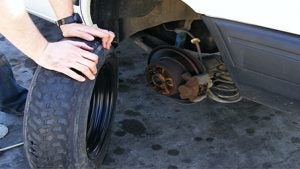
Have you checked the condition of your tires lately? Many drivers treat tires the same way as their personal health — taking them for granted until something goes wrong. It's not an exaggeration to say that your life depends on the quality of your tires. A blowout can be tremendously dangerous, especially if it happens on a busy road. Knowing when to change your tires is critical. We at Rath Auto Resources want our customers to be happy and healthy. These are four sure signs your vehicle needs new tires. Your Car Wanders All Over the Road When your tires are getting worn down, they often wear out unevenly. This can cause your car to wander all over the road when you're driving. Keep an eye out for this problem. If you experience it, stop and check the condition of your tires. more Find a penny and then turn it upside down, so Lincoln's head is pointing toward the earth. Next, stick the penny into the tread of your tire. If Lincoln's head is covered up by the tread of the tire, your tires might be alright. However, if you can see all of Lincoln's head, then your tires are worn too far down and will need to be replaced soon. The Factory Wear Bars Are Showing Another sign that it's time to replace your tires is if you can see the factory wear bars. These wear bars are placed in the middle of the tread of all tires. Factory wear bars run across the tread and are hardly even noticeable when the tires are new. However, the factory wear bars become easier to see over time. When they get to the same level as the tire tread, it's definitely time to get new tires. The Tires Have Cracks, Bubbles, or Bulges Extreme weather conditions can be rough on your tires and cause them to deteriorate faster. As tires age and are regularly exposed to extreme weather, the rubber weakens, and little cracks appear on the surface. Minor cracking is common, but if you see a lot of splintering, it's a clear sign that it's time to take your car in for new tires. Also, watch out for any abnormal bubbles or bulges. If you notice one, take your vehicle to a professional tire store immediately for inspection. Lots of things can be tough on your tires, from extreme swings in temperature to potholes, rough terrain, and long road trips. These things may be hard on your tires, so it's a good idea to inspect them on a regular basis. Also, make sure to have them rotated and aligned as often as the owner manual recommends. That way, your tires will wear out more evenly and stay in good shape longer. Get in the practice of regularly inspecting your tires, and you can help prevent big problems like tire blowouts. Most tires have a manufacturer's warranty, so if they wear down too fast or show signs of a problem, take them back to where you purchased them. They might still be covered by the manufacturer's warranty. Photo by mikepetrucci | Licensed under cc BY-SA 2.0

Car Safety Tips | Used Cars in Fort Smith, AR | Rath Auto Resources

Car Safety Tips with Kids

It's an awful statistic, and one we don't like to think about. Unfortunately, every year thousands of children are killed, or injured by automobiles in America. In fact, preventable death and injuries on the road are the number one killer of children in the United States. Cars and children can be a deadly combination, and it's our responsibility as adults to keep them as safe as possible. We at Rath Auto Resources want to see all of our customers, and their beloved family members, safe and healthy. These are some important safety tips for kids and cars. Use Car Seats Fortunately, industry experts agree, a properly used child safety seats can reduce the risk of death or injury by as much as 70 percent. Unfortunately, three out of every four car seats are not properly installed. Babies need to ride in a rear-facing car seat until the age of two. more When the child outgrows that seat, it's time to switch to a forward-facing car seat. You'll need to use either the seat belt or lower anchors, to secure it. Also, make sure it fits correctly. Read the manufacturers instructions about the height, weight, and age limits for that particular seat, and always follow them. Minimize Distractions Driving while distracted is extremely hazardous. Most states now have laws against talking on the phone while you drive, but there are plenty of other distractions to watch out for. You usually can't do anything about the outside distractions, such as bad weather, dogs running across the road, or getting lost. You can usually help minimize the distractions inside of your vehicle though. Avoid eating while driving. If the kids might get hungry, always have a stash of easy to eat, non-messy food available. Things like nuts and dry fruit don't leave stains and are relatively easy to clean up. Kids arguing in the back can also cause you to get distracted. Have a good talk with your children about the importance of behaving well while inside the car. Also, if you can, leave the family pet at home. Pets also cause distractions by moving around in the vehicle while you're driving. Don't Leave Your Kids Alone in the Car Every year we hear horror stories about kids getting left in the car to fend for themselves. Hot weather can be deadly. The greenhouse effect inside your car can make the temperature 10 to 20 degrees hotter than the outside temperature, putting your kids at risk for heat stroke. If your children escape from their car seat, they can also release the parking brake, or accidentally lock themselves inside. Also, what if your car was stolen with your child still inside? It's never wise to leave a child unattended inside a vehicle. Practicing car safety is vital to your health and happiness, but especially when it comes to children. They depend on us to keep them safe. Be a responsible driver and follow these three important car safety tips with your kids. It will prevent the worst possible scenarios. Photo by MIKI Yoshihito. | Licensed under cc by 2.0

Contact Us

Fill out this form below and we'll contact you shortly
*Required Fields